

Your Daily Language Update
Welcome back, language learner! Great to have you here.
Not yet following? Join the Languages Central community!
The SNP Has Been Returned as the Largest Party — Election Results 2026
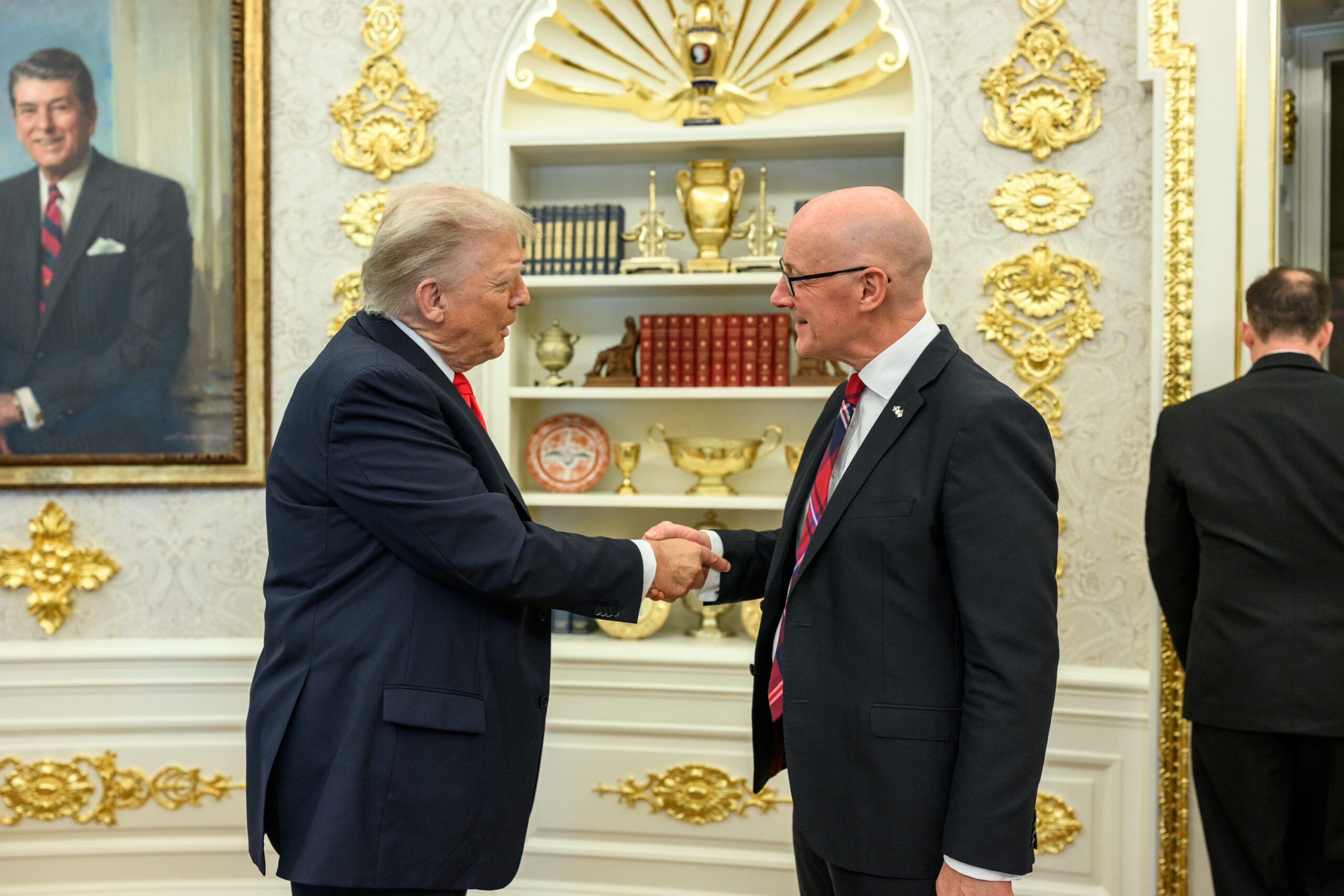
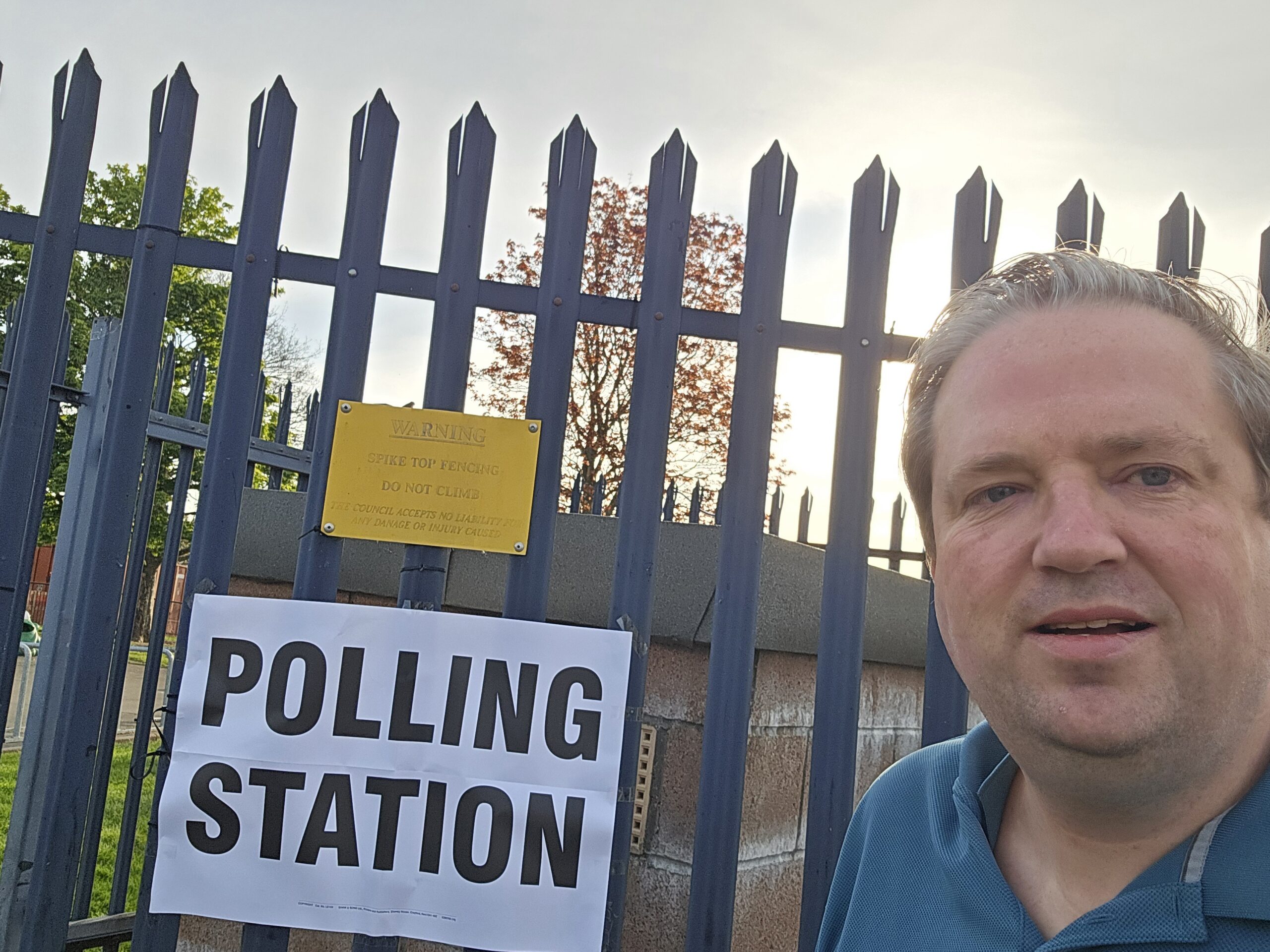
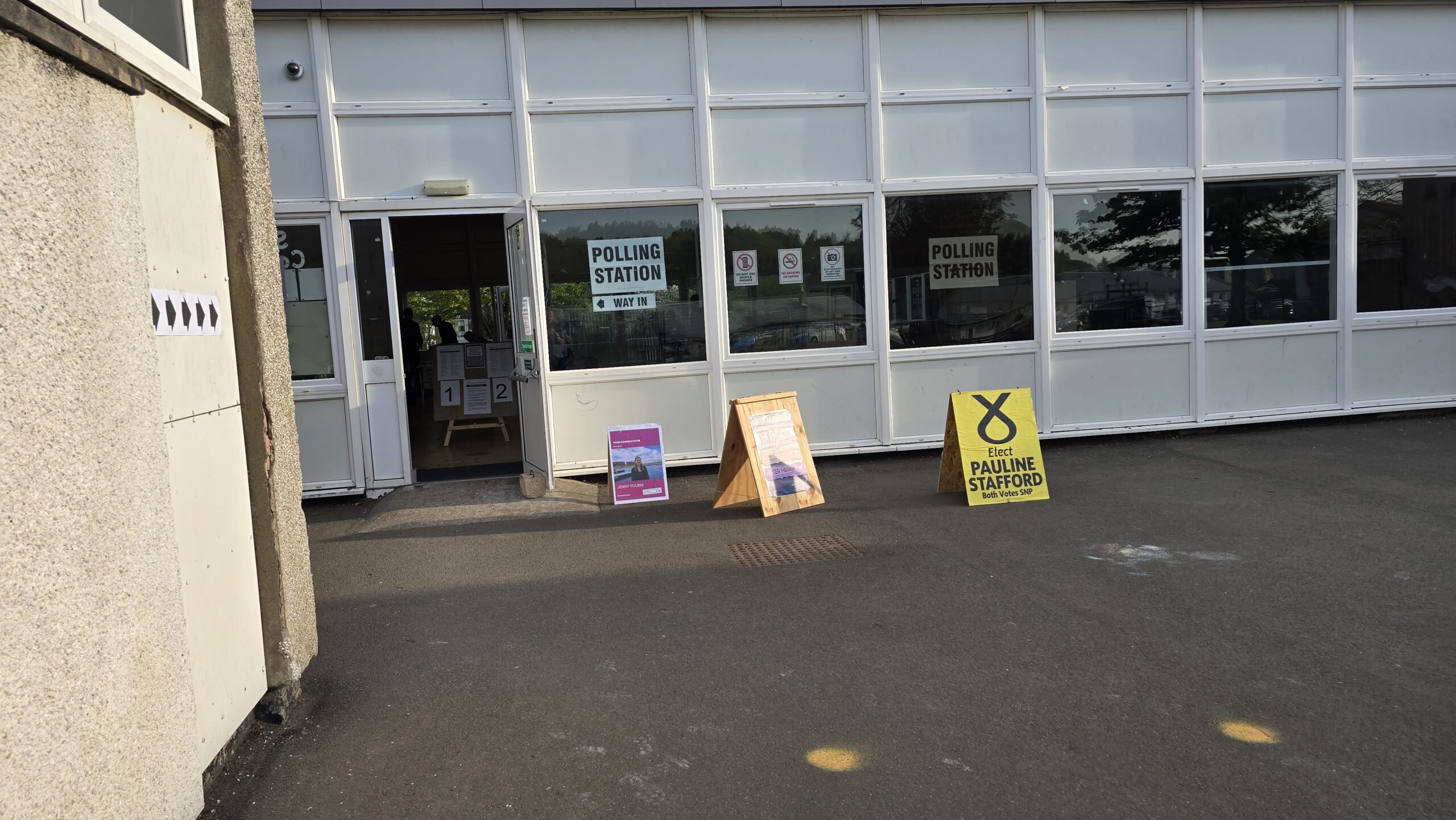
The results of the Scottish Parliament election held on Thursday 7th May have been declared, and the Scottish National Party has once again been returned as the largest party at Holyrood. Votes were cast across Scotland, counts were held on Friday 8th May, and John Swinney has been set to continue as First Minister. The SNP secured 57 seats — a remarkable achievement given the challenging political climate — and is expected to form the next Scottish Government. As someone who went to vote early on Thursday morning, I am glad that democracy has been exercised and that Scotland’s voice has been heard.
🏴 2026 Scottish Parliament Election — Key Results
🟡 SNP — 57 seats (Largest party · 5th consecutive term in government)
🔴 Labour — 17 seats · 🟠 Reform UK — 17 seats
🔵 Scottish Conservatives — reduced · 🟢 Scottish Greens — represented
John Swinney is to continue as First Minister of Scotland.
A majority requires 65 seats — the SNP is expected to govern as a minority.
Scotland had an election last Thursday. Many people voted. The SNP won the most seats. The SNP is the biggest party. John Swinney is the leader of the SNP. He is the First Minister of Scotland. This is a very important result for Scotland. Democracy is important!
Last Thursday was election day for the Scottish Parliament. Votes were counted on Friday 8th May. The SNP won 57 seats — more than any other party. This is the fifth time in a row that the SNP has been the biggest party. John Swinney is the leader of the SNP and will continue as First Minister. Labour and Reform UK both won 17 seats. It was an important election and many people took part. The result shows that many people in Scotland still trust the SNP to govern.
The results of the Scottish Parliament election have been declared, and the SNP has been returned as the largest party at Holyrood for the fifth consecutive time. Fifty-seven seats were won by the SNP, ahead of Labour and Reform UK, who tied on 17 seats each. John Swinney, who has served as First Minister since 2024, is expected to continue in that role as the SNP forms a new government. While a majority of 65 seats was not achieved, the SNP’s position as the dominant force in Scottish politics has been clearly confirmed. The result is a significant endorsement of the SNP’s approach to governing Scotland, particularly on issues of public services, the environment, and Scotland’s constitutional future.
Scotland’s voters have spoken, and the message is clear: the SNP has been re-elected as the largest party in the Scottish Parliament for the fifth time in succession. Fifty-seven seats were secured by the party, ahead of both Labour and Reform UK on 17 seats each, in an election that saw a significant reshaping of the Holyrood opposition. John Swinney’s campaign was built on a record of steady, values-driven governance — on protecting Scotland’s public services, on pursuing a fairer and greener Scotland, and on keeping open the question of Scotland’s constitutional future. His party was rewarded with the strongest mandate of any party on offer. While an outright majority was not achieved, the SNP is well placed to form a minority government and to continue delivering for the people of Scotland.
The 2026 Scottish Parliament election has returned the SNP as the largest party for a fifth consecutive time — a feat that, in the context of the pressures placed on governments across the democratic world, represents a remarkable achievement in political endurance. Fifty-seven seats were won, ahead of a sharply changed opposition in which Labour and Reform UK were tied in joint second place on 17 seats each, reflecting both the continuing decline of Scottish Labour and the penetration of right-wing populism into a Scottish electorate that has historically resisted it. John Swinney’s leadership has been instrumental in restoring stability to the SNP following a turbulent period, and the electorate appears to have rewarded that steadiness. What the result confirms, unmistakably, is that Scotland continues to march to a different political drumbeat from the rest of the United Kingdom, and that the SNP remains, for now, the conductor.
5 Words to Learn
| English | Chinese | Dutch | French | Gaelic | German | Hindi | Indonesian | Japanese | Russian | Spanish |
|---|---|---|---|---|---|---|---|---|---|---|
| Majority | 多数 (Duōshù) | Meerderheid | Majorité | Mòr-chuid | Mehrheit | बहुमत (Bahumat) | Mayoritas | 過半数 (Kahansū) | Большинство | Mayoría |
| Mandate | 授权 (Shòuquán) | Mandaat | Mandat | Ùghdarras | Mandat | जनादेश (Janādeś) | Mandat | 権限 (Kengen) | Мандат | Mandato |
| Constituency | 选区 (Xuǎnqū) | Kiesdistrict | Circonscription | Roinn-taghaidh | Wahlkreis | निर्वाचन क्षेत्र | Daerah pemilihan | 選挙区 (Senkyoku) | Избирательный округ | Circunscripción |
| Devolution | 权力下放 (Quánlì xiàfàng) | Decentralisatie | Dévolution | Sgaoileadh cumhachd | Dezentralisierung | विकेंद्रीकरण | Desentralisasi | 権限委譲 (Kengen ijō) | Децентрализация | Devolución |
| Declaration | 宣布 (Xuānbù) | Verklaring | Déclaration | Gairm | Erklärung | घोषणा (Ghoṣaṇā) | Pernyataan | 宣言 (Sengen) | Объявление | Declaración |
The Passive Voice — “Votes Were Cast”, “John Swinney Is to Continue…”
Form: subject + to be (correct tense) + past participle
Active: “People cast their votes.” → Passive: “Votes were cast.”
Why use the passive?
— Doer unknown: “The results have been declared.”
— Doer unimportant: “Fifty-seven seats were won.”
— Formal/impersonal tone: “The First Minister is to be appointed.”
— Emphasise the result: “Scotland has been heard.”
Special form — “is to” + infinitive: Formal announcements of scheduled/expected events:
“John Swinney is to continue as First Minister.” / “A new government is to be formed.”
Ready to Improve Your English?
Personalised one-to-one English lessons for all levels — A1 to C1+.
Book your session today and start your journey to fluency!