

Your Daily Language Update
Welcome back, language learner! Great to have you here.
Not yet following? Join the Languages Central community!
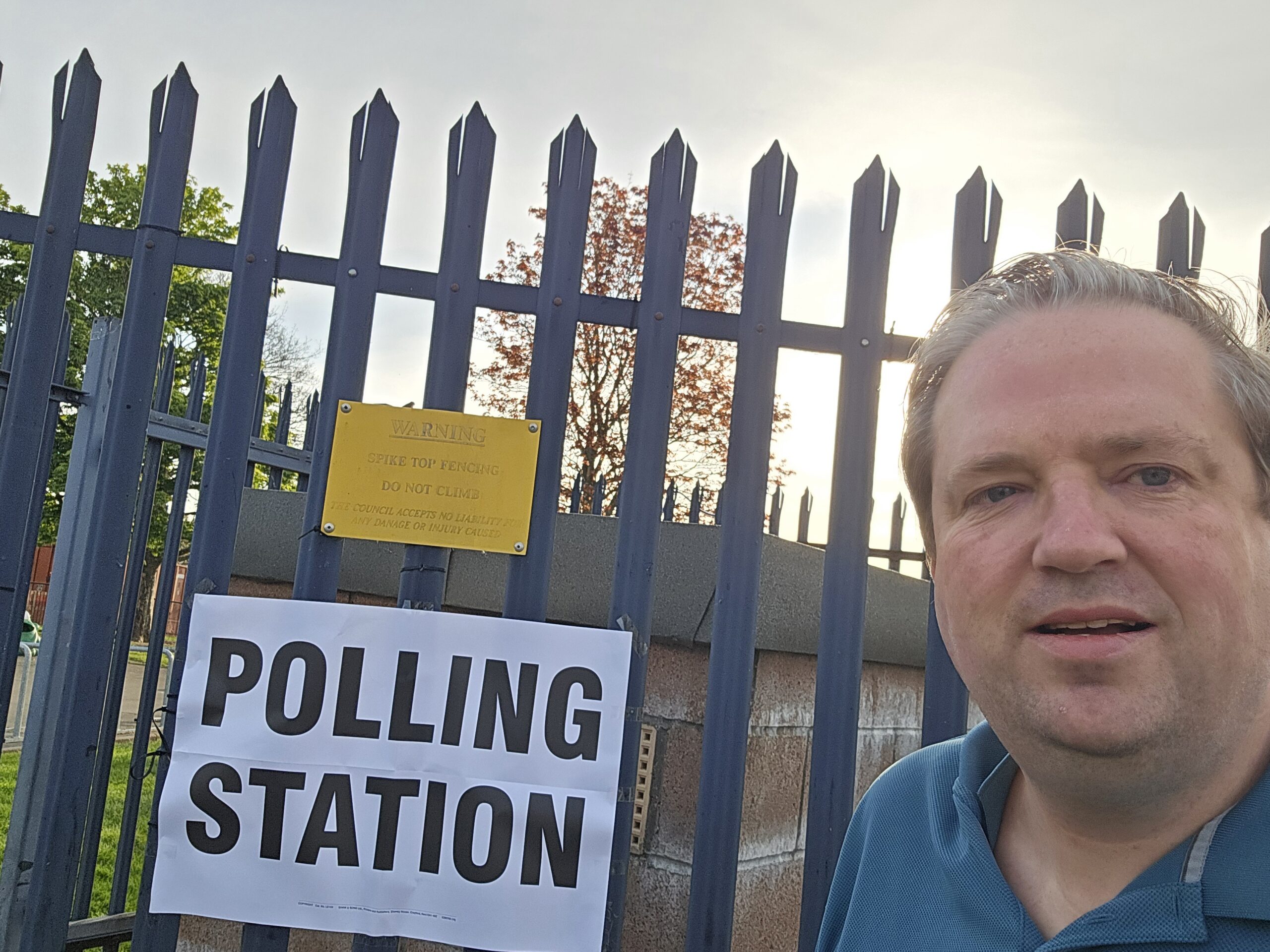

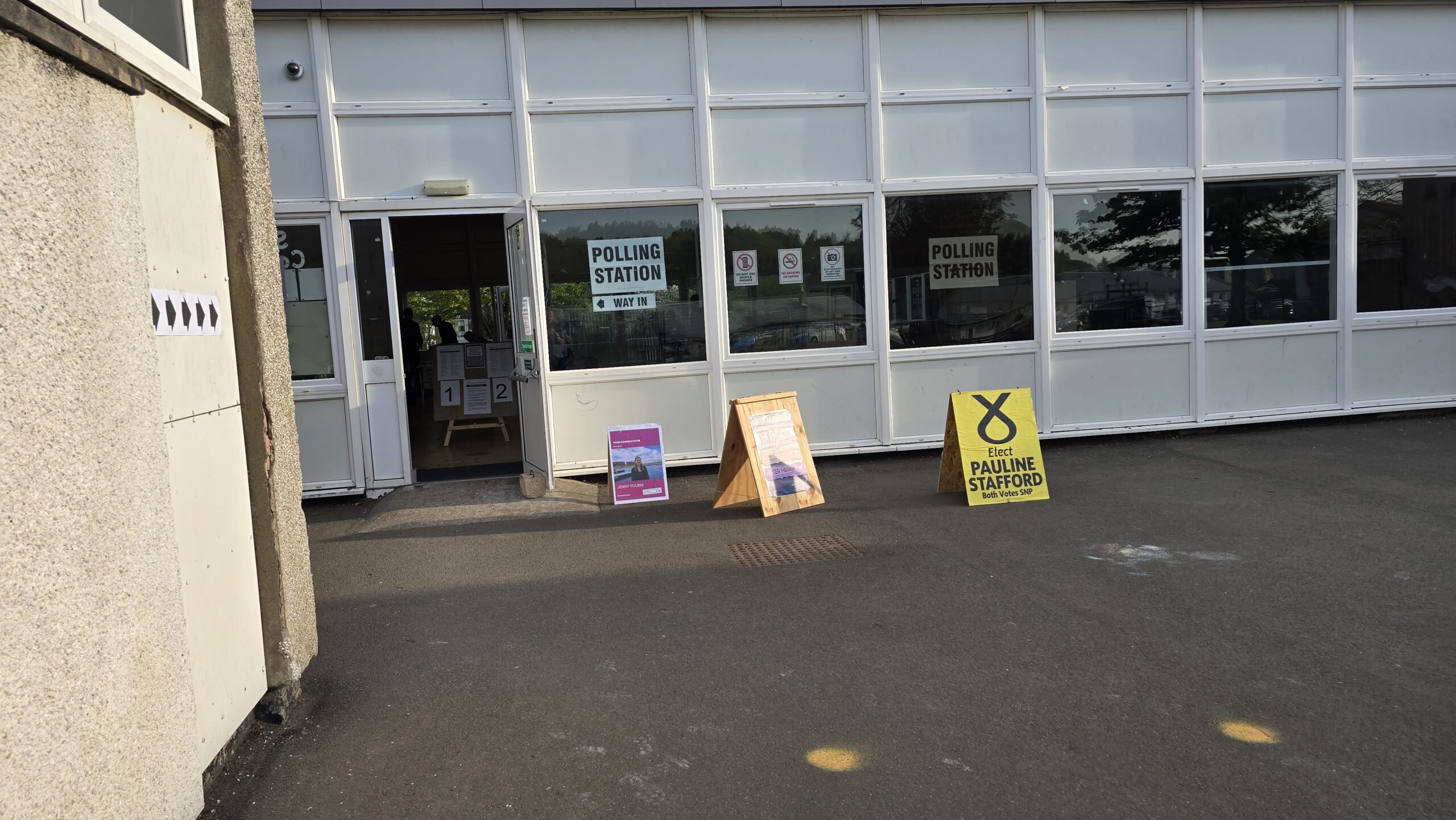
I Have Just Been to Vote — Scottish Parliament Election Day!
I went to vote early this morning. The polling station was very quiet — which is a little worrying. Low turnout is never a good sign for democracy. In Scotland, there is no legal requirement to vote, but I believe we all ought to — it is a right that many people around the world do not have. Whoever you support, please do get out and vote today if you haven’t already!
Today is an important day. It is election day in Scotland. I went to vote this morning. Voting is important. I went early. It was very quiet. Not many people were there. Please vote today!
Today is election day for the Scottish Parliament. I went to vote early this morning. The polling station was very quiet — not many people were there. This can mean that voter turnout is low. In Scotland, you do not have to vote by law, but I think it is very important. Voting is a democratic right. Many people in the world cannot vote. Please vote today if you can!
Today is Scottish Parliament Election Day and I have just been to vote. I went early, and the polling station was noticeably quiet — which is always a bit of a concern, as low voter turnout can mean that the results do not fully reflect what people really think. There is no legal requirement to vote in Scotland — it is entirely your choice. But many people feel that we ought to vote because it is one of the most important democratic rights we have, and one that millions of people around the world still do not enjoy. Every vote counts. If you are eligible to vote today, please do!
I have just been to vote in this morning’s Scottish Parliament election, and the polling station was almost deserted — a quiet early start that I hope does not reflect the day’s turnout. In Scotland, voting is not compulsory; there is no legal obligation to cast your ballot. But I think most people would agree that we ought to — not because anyone is forcing us to, but because the right to vote is genuinely precious. It was won through generations of campaigning, protest, and sacrifice, and in many parts of the world it still does not exist. A democracy only functions well when people participate. So if you have a vote today, use it — whoever you choose to support.
This morning I have just been to cast my vote in the Scottish Parliament election. The polling station was conspicuously quiet, and while early mornings can be misleading indicators, low turnout is one of democracy’s more sobering symptoms. Voting is not a legal requirement in Scotland — unlike in countries such as Australia or Belgium, where compulsory voting carries financial penalties — and I think that distinction matters. The argument for voluntary participation rests on the idea that a democracy worth having is one people choose to engage with, not one they are compelled into. And yet the moral case for voting remains strong: it is a right secured through centuries of struggle, still denied to vast populations across the globe, and its exercise — even as an act of refusal or protest — carries weight. We ought to vote not because we must, but because we can, and because what we do with that freedom says something about how much we value it.
5 Words to Learn
| English | Chinese | Dutch | French | Gaelic | German | Hindi | Indonesian | Japanese | Russian | Spanish |
|---|---|---|---|---|---|---|---|---|---|---|
| Vote | 投票 (Tóupiào) | Stemmen | Voter | Bhòt | Wählen | मतदान (Matadāna) | Memilih | 投票する (Tōhyō suru) | Голосовать | Votar |
| Democracy | 民主 (Mínzhǔ) | Democratie | Démocratie | Deamocrasaidh | Demokratie | लोकतंत्र (Lokatantra) | Demokrasi | 民主主義 (Minshu shugi) | Демократия | Democracia |
| Election | 选举 (Xuǎnjǔ) | Verkiezing | Élection | Taghadh | Wahl | चुनाव (Cunāv) | Pemilihan | 選挙 (Senkyo) | Выборы | Elección |
| Parliament | 议会 (Yìhuì) | Parlement | Parlement | Pàrlamaid | Parlament | संसद (Sansad) | Parlemen | 議会 (Gikai) | Парламент | Parlamento |
| Turnout | 投票率 (Tóupiào lǜ) | Opkomst | Taux de participation | Àireamh luchd-bhòtaidh | Wahlbeteiligung | मतदाता उपस्थिति | Tingkat partisipasi | 投票率 (Tōhyō-ritsu) | Явка | Participación |
Obligation & Compulsion — “Ought To” vs “Must”
Must — strong obligation or compulsion, from an external rule or a strong personal belief. Little or no choice implied.
“You must show your polling card.” (rule) / “You must vote!” (strong belief)
Ought to — moral or social duty. The right thing to do, but there is still a choice. Softer than must.
“We ought to vote — it’s our democratic duty.”
⚠️ Key distinction:
Must not = forbidden / not allowed
Do not have to = no obligation / free choice
These are OPPOSITE in meaning — a very common source of confusion!
Present Perfect — “I Have Just Been to Vote”
Just — something happened very recently: “I have just been to vote.”
Already — sooner than expected: “I have already voted.”
Yet — questions and negatives: “Have you voted yet?” / “I haven’t voted yet.”
Ever / Never — life experience: “Have you ever missed an election?” / “I have never missed one.”
⚠️ Do NOT use Present Perfect with a specific finished time. NOT: “I have voted at 8am.” Instead: “I voted at 8am.” (Past Simple)
Ready to Improve Your English?
Personalised one-to-one English lessons for all levels — A1 to C1+.
Book your session today and start your journey to fluency!