

Your Daily Language Update
Welcome back, language learner! Great to have you here.
Not yet following? Join the Languages Central community!
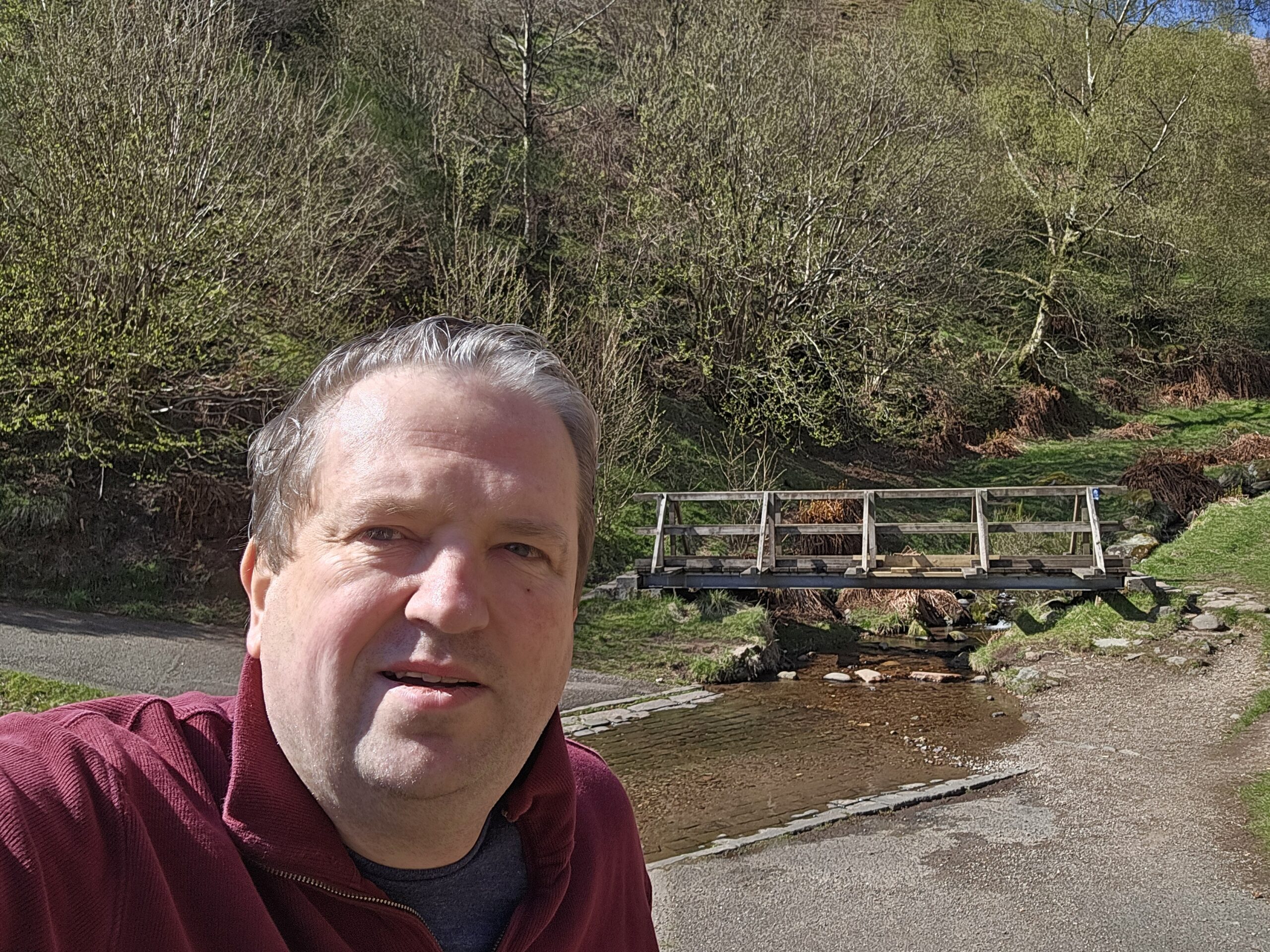
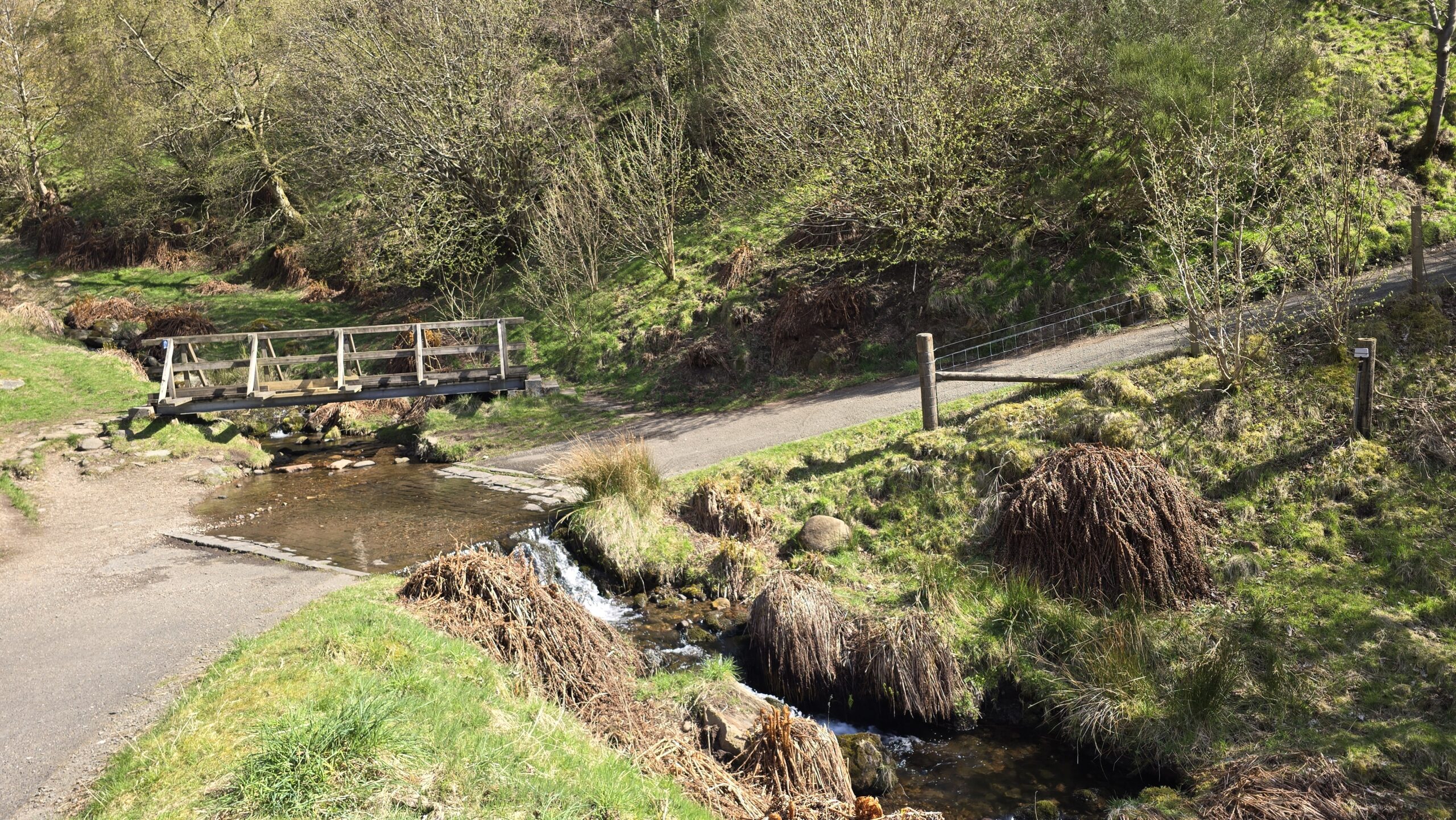
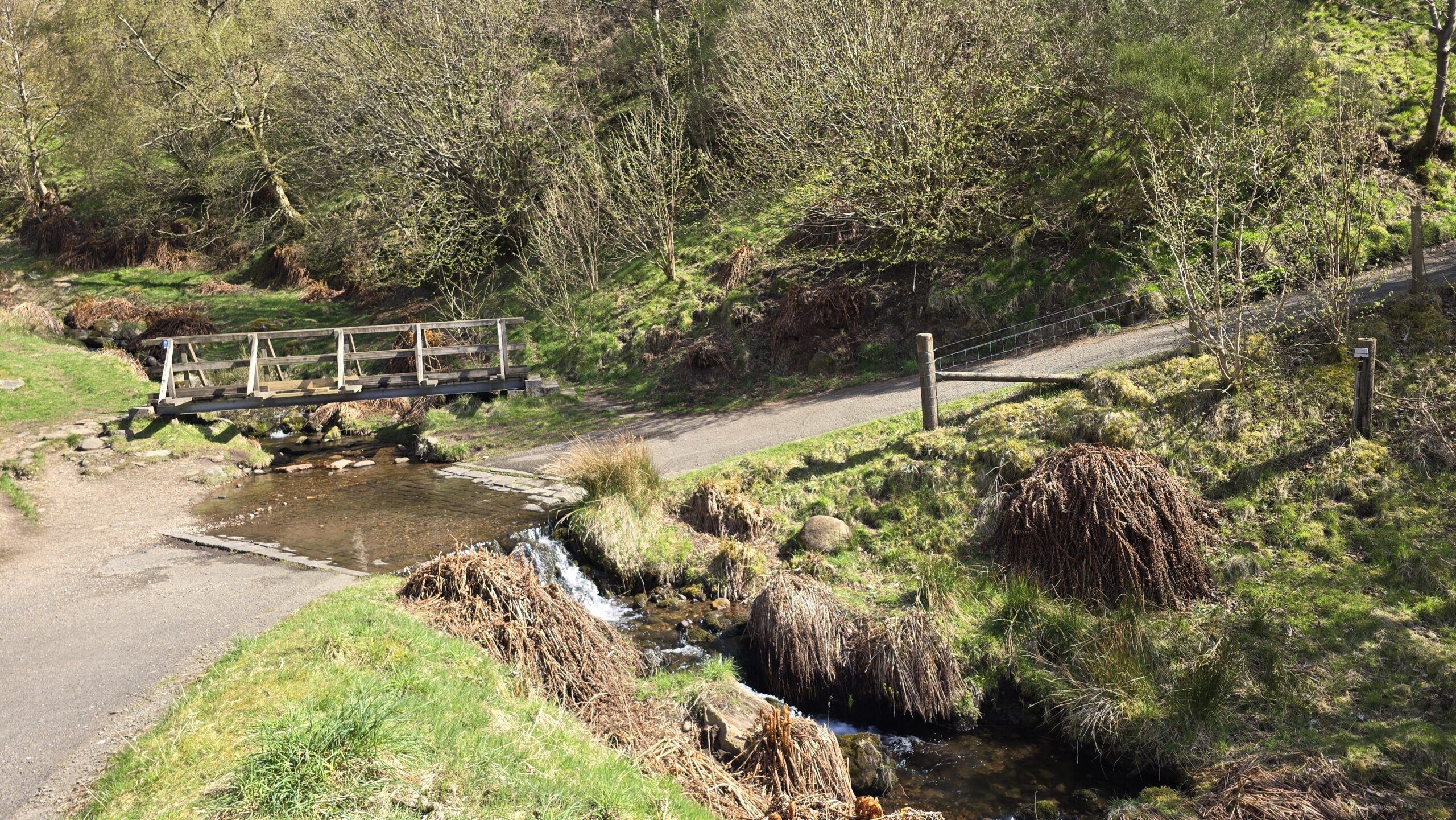
Last Week’s Walk: The Burn of Care, Dollar Glen & Castle Campbell
Last week I went for a walk. There is a small river. It is called a burn. There is a wooden bridge. There are also stepping stones. I can cross the water! The walk goes to a castle. The castle is called Castle Campbell. It is very old and beautiful.
Last week I visited Dollar Glen in Clackmannanshire, Scotland. It is a beautiful walk that goes up to Castle Campbell. Along the way there is a small river called the Burn of Care. You can cross it three different ways — a wooden bridge, some stepping stones, or a ford where the water is very shallow. I chose the wooden bridge! The glen is very green and there is a small waterfall too. It was a lovely day.
Last week I walked through Dollar Glen in Clackmannanshire on the way up to Castle Campbell — a 15th-century castle that sits dramatically above the town of Dollar. One of the highlights of the walk is crossing the Burn of Care, a fast-flowing stream that runs through the base of the glen. At one point you have three options: a sturdy wooden footbridge, a line of stepping stones, or a shallow ford where the water runs over flat stones. I used the footbridge, but the stepping stones looked like fun! The glen itself is steep and atmospheric, with a shallow waterfall tumbling down through the trees nearby. It is a genuinely beautiful walk.
Last week’s walk through Dollar Glen in Clackmannanshire was one of those routes that rewards you at every turn. The path winds steeply up through ancient woodland to Castle Campbell — a striking 15th-century fortress perched above the small town of Dollar — passing en route the Burn of Care, a clear, peaty stream with real character. Where the path crosses the burn, walkers have a choice: a solid wooden footbridge for the cautious, a row of stepping stones for the adventurous, or a flat-stoned ford where the water flows shallow and fast. A small waterfall nearby adds to the atmosphere. It is the kind of walk that reminds you how much drama you can find within a short drive of home.
The walk through Dollar Glen to Castle Campbell is a route of quietly escalating rewards. The glen itself is a narrow, deeply wooded ravine cut by the Burn of Care — a name that carries the kind of melancholy poetry that Scottish place names do so well. Where the path meets the burn, three crossing options present themselves in ascending order of boldness: a well-made wooden footbridge for those who prefer certainty, a string of stepping stones for those willing to commit their balance, and a broad ford where the water slips, shallow and amber-coloured, over ancient flat stones. A small waterfall nearby provides the soundtrack. Above all of this, Castle Campbell waits on its promontory — roofless in places, but no less imposing for it — with views across the Forth valley that make the climb entirely worthwhile. It is the kind of walk that is hard to improve upon.
5 Words to Learn
| English | Chinese | Dutch | French | Gaelic | German | Hindi | Indonesian | Japanese | Russian | Spanish |
|---|---|---|---|---|---|---|---|---|---|---|
| Bridge | 桥 (Qiáo) | Brug | Pont | Drochaid | Brücke | पुल (Pul) | Jembatan | 橋 (Hashi) | Мост | Puente |
| Ford | 浅滩 (Qiǎntān) | Doorwaadbare plaats | Gué | Àth | Furt | उथला पार (Uthalā pār) | Pendangkalan | 浅瀬 (Asase) | Брод | Vado |
| Stream | 小溪 (Xiǎoxī) | Beek | Ruisseau | Allt | Bach | नाला (Nālā) | Sungai kecil | 小川 (Ogawa) | Ручей | Arroyo |
| Waterfall | 瀑布 (Pùbù) | Waterval | Cascade | Eas | Wasserfall | झरना (Jharanā) | Air terjun | 滝 (Taki) | Водопад | Cascada |
| Stepping stone | 垫脚石 (Diànjiaoshí) | Stapstenen | Pierre de gué | Clach-ceum | Trittsteine | कदम-पत्थर (Kadam-patthar) | Batu loncatan | 飛び石 (Tobi-ishi) | Камни-переходы | Piedra pasadera |
“Would Rather” and “Would Prefer”
Would rather + bare infinitive (no “to”)
“I would rather walk across the stepping stones.”
Would prefer + to + infinitive
“I would prefer to use the wooden bridge.”
To compare two options, add than (with would rather) or rather than (with would prefer):
“I’d rather cross by bridge than wade through the ford.”
“I’d prefer to cross by bridge rather than wade through the ford.”
“Had Better”, “It’s Better To” and “I’d Sooner”
Had better + bare infinitive — strong advice with an implied consequence if ignored.
“You’d better take the bridge — the ford looks deep today.”
It’s better to + infinitive — a calm, general recommendation. Softer than “had better”.
“It’s better to cross early before the water rises.”
I’d sooner + bare infinitive — informal preference, similar to “I’d rather”. Common in British English.
“I’d sooner take the stepping stones — it’s more fun!”
Ready to Improve Your English?
Personalised one-to-one English lessons for all levels — A1 to C1+.
Book your session today and start your journey to fluency!