

Your Daily Language Update
Welcome back, language learner! Great to have you here.
Not yet following? Join the Languages Central community!
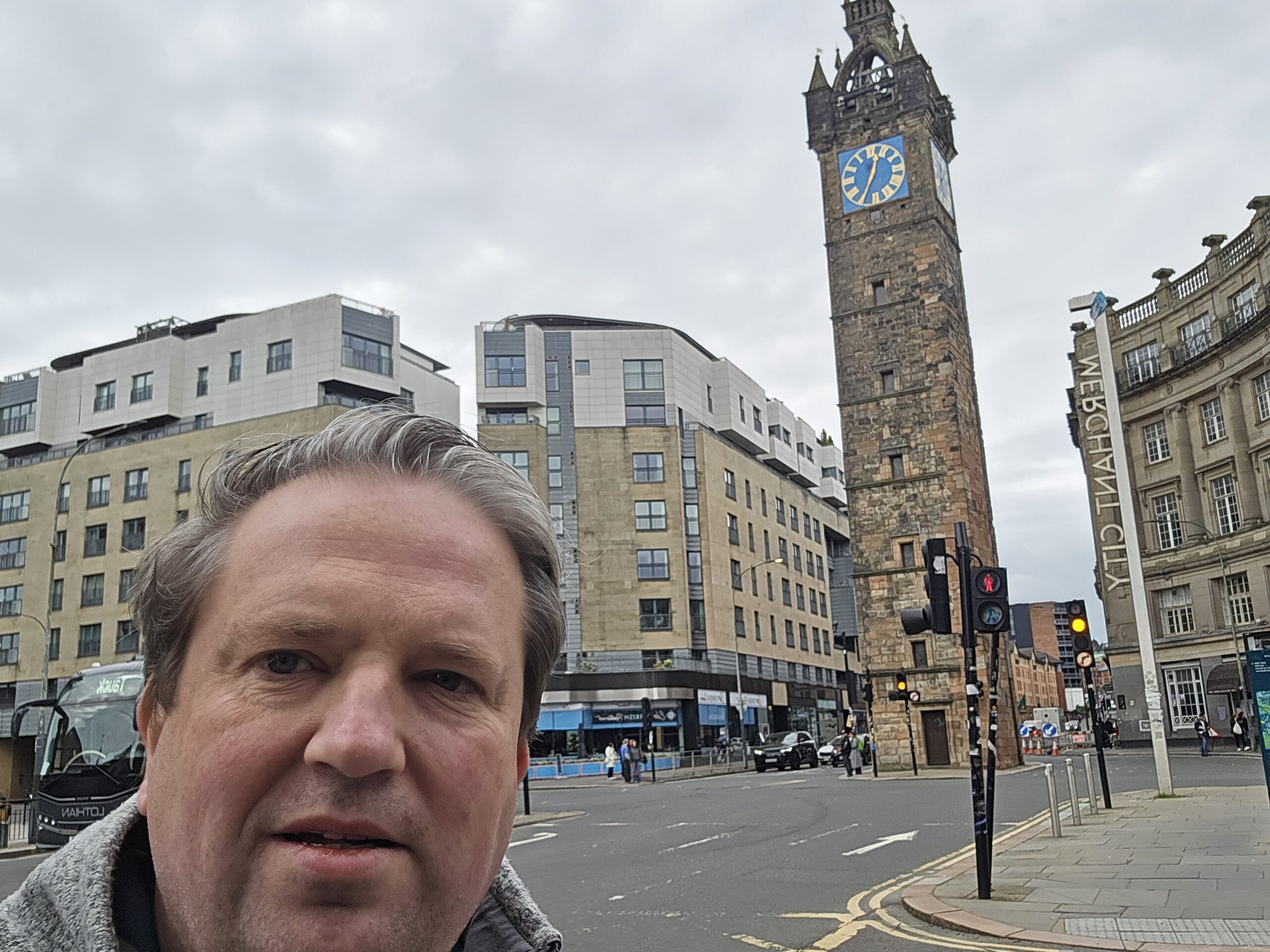
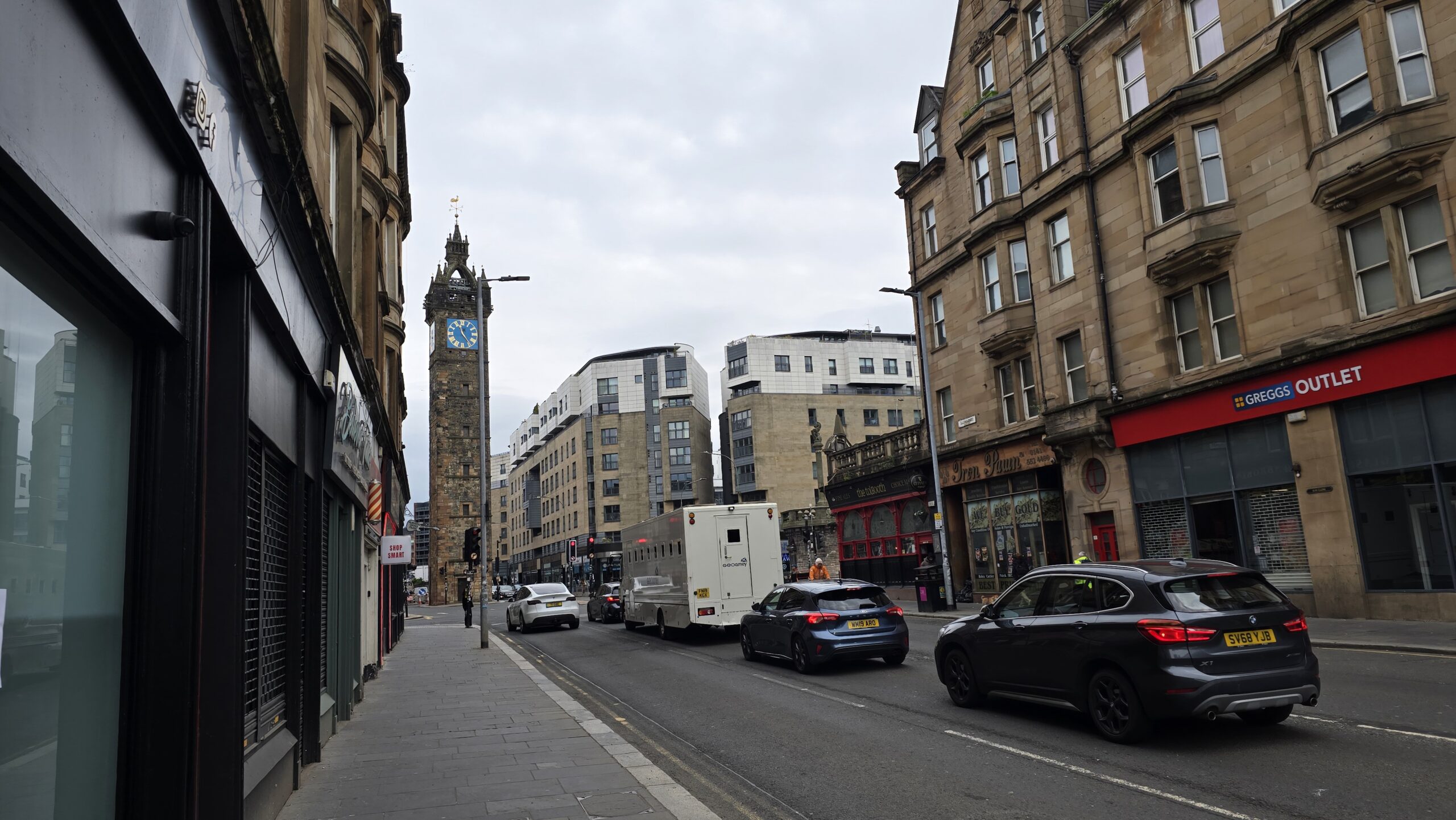
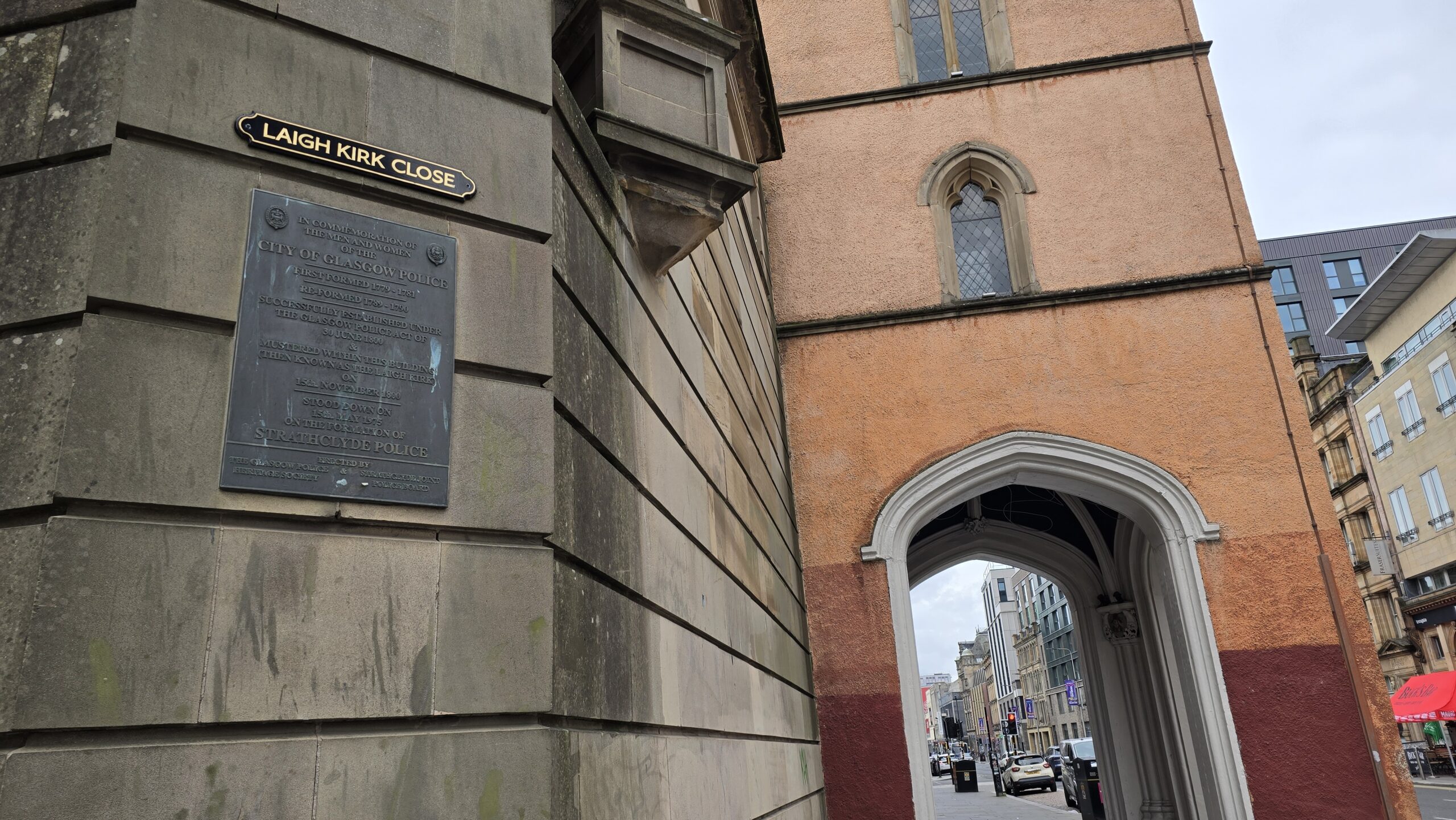
Thursday’s Visit: The Merchant City, Glasgow
On Thursday, while I was in Glasgow collecting my express passport, I took the opportunity to walk through the Merchant City — one of the most architecturally striking and historically rich parts of the city. What had once been a derelict, forgotten district had been transformed into one of Scotland’s most vibrant urban quarters. The contrast between the grandeur of the original 18th-century buildings and the modern life now buzzing through their ground floors is remarkable. If you ever visit Glasgow, this is not a part of the city to miss.
On Thursday I visited the Merchant City in Glasgow. It is a very beautiful area. There are many old buildings. The buildings are big and grand. There are also nice restaurants and shops. It is a very busy place. I liked it very much. Glasgow is a great city!
On Thursday I walked through the Merchant City in Glasgow. It is in the east of the city centre, near George Square. The Merchant City has many beautiful old buildings. In the past, rich merchants lived and worked here. The area was not very nice for a long time, but now it is very popular. There are restaurants, bars, and art galleries. The streets are clean and the buildings are very impressive. I enjoyed walking there very much.
While in Glasgow on Thursday, I spent some time exploring the Merchant City — a historic district in the east of the city centre, just south of George Square. The area was originally built in the 18th century as Glasgow grew into one of the world’s most important trading cities. The wealthy tobacco and cotton merchants who had made their fortunes in the Americas built grand townhouses and warehouses here. For much of the 20th century the area had fallen into neglect, but a major regeneration programme transformed it from the 1980s onwards. Today it is one of Glasgow’s most popular destinations, known for its impressive Georgian and Victorian architecture, its independent restaurants and bars, and its lively arts scene. It is a wonderful example of how a city can reinvent itself without losing its history.
Thursday’s visit to Glasgow gave me time to walk through the Merchant City — a district that tells Glasgow’s history as clearly as any museum could. Located in the east of the city centre between George Square and the Trongate, it was originally developed in the 18th century to house the merchants who had grown extraordinarily wealthy through trade with the Americas — tobacco, cotton, and sugar in particular. The grand sandstone buildings they commissioned still line the streets today: Italianate façades, ornate ironwork, wide Georgian proportions built to project confidence and prosperity. By the mid-20th century, the district had largely emptied and fallen into disrepair; warehouses stood unused and the streets had lost their purpose. A sustained regeneration effort beginning in the 1980s changed all of that, gradually repopulating the area with galleries, restaurants, independent shops, and apartments carved from the old commercial buildings. The result is one of Scotland’s most compelling urban quarters — elegant, energetic, and layered with 300 years of story.
The Merchant City occupies a particular place in Glasgow’s self-understanding — it is both a monument to the city’s imperial commercial past and a template for its post-industrial reinvention. Situated between George Square to the north and the Trongate to the south, the district was developed from the mid-18th century to accommodate the merchants who had accumulated extraordinary wealth through the transatlantic trade in tobacco, cotton, and sugar — commodities whose production depended, it is important to note, on enslaved labour. The sandstone townhouses and counting houses they built still define the streetscape: Palladian and Italianate influences rendered in the warm honey-coloured stone that gives much of central Glasgow its distinctive character. By the 1960s and 70s, the district had emptied almost entirely, the mercantile functions that had justified its grandeur long since relocated or dissolved. What remained was largely derelict. The regeneration programme that gathered pace through the 1980s and 90s — accelerated by Glasgow’s designation as European City of Culture in 1990 — repurposed the existing fabric rather than demolishing it, converting warehouses into apartments and galleries, and populating the ground floors with the cafés and restaurants that now give the area its contemporary energy. It remains one of the most instructive examples in British urbanism of how historical architecture, carefully stewarded, can underpin rather than resist urban renewal.
The Buildings of the Merchant City
Key Buildings:
— Hutchesons’ Hall (Ingram Street) — early 19th century, now a National Trust for Scotland property
— Trades Hall (Glassford Street) — designed by Robert Adam in 1794, one of Scotland’s finest neoclassical interiors
— The Italian Centre (John Street) — a beautifully restored 19th century warehouse, now a luxury shopping courtyard
— Virginia Street — named after the Virginia tobacco trade that made Glasgow’s fortune
Where is it? Just east of George Square and Glasgow City Chambers. Roughly 10–15 minutes on foot from Glasgow Central and Queen Street stations.
5 Words to Learn
| English | Chinese | Dutch | French | Gaelic | German | Hindi | Indonesian | Japanese | Russian | Spanish |
|---|---|---|---|---|---|---|---|---|---|---|
| Merchant | 商人 (Shāngrén) | Koopman | Marchand | Marsanta | Kaufmann | व्यापारी (Vyāpārī) | Pedagang | 商人 (Shōnin) | Купец | Comerciante |
| Architecture | 建筑 (Jiànzhú) | Architectuur | Architecture | Ailtireachd | Architektur | वास्तुकला (Vāstukala) | Arsitektur | 建築 (Kenchiku) | Архитектура | Arquitectura |
| Derelict | 废弃的 (Fèiqì de) | Vervallen | Délabré | Trèigte | Verfallen | जीर्ण (Jīrṇ) | Terbengkalai | 荒廃した (Kōhai shita) | Заброшенный | En ruinas |
| Restoration | 修复 (Xiūfù) | Restauratie | Restauration | Ath-nuadhachadh | Restaurierung | पुनरुद्धार (Punaruddhār) | Restorasi | 修復 (Shūfuku) | Реставрация | Restauración |
| Façade | 外观 (Wàiguān) | Gevel | Façade | Aghaidh | Fassade | अग्रभाग (Agrabāg) | Fasad | ファサード (Fasādo) | Фасад | Fachada |
The Pluperfect (Past Perfect) Tense — “Had been”, “Had restored”
Form: had + past participle
“The area had been derelict for decades before the regeneration began.”
Common uses:
— Background context: “The merchants had built their fortunes before Glasgow became industrial.”
— Cause and effect: “The streets had fallen into disrepair, so the council acted.”
— Reported speech: “The guide explained that the building had been a warehouse.”
— With “by the time”: “By the time I arrived, the city had already been transformed.”
⚠️ Key linking words: before, after, already, by the time, when, once, until, never
Ready to Improve Your English?
Personalised one-to-one English lessons for all levels — A1 to C1+.
Book your session today and start your journey to fluency!